Clients can request scheduled pickups, on-demand support, or special event services based on seasonal increases or internal cleanouts. Steritrans offers flexible service plans, allowing healthcare providers to select pickup schedules that align with their needs. This service is especially important for facilities that generate consistent volumes of waste that must be isolated from regular trash streams. Dental practices in Houston benefit from Steritrans' Amalgam Waste Disposal service.
Regulated Medical Waste Disposal is a core service, encompassing materials classified under state or federal law as requiring special handling due to their infectious or biohazardous content. Training, documentation, and support are also part of the package. The company handles a wide range of medical waste types, including Sharps Disposal, Regulated Medical Waste Disposal, and Red Bag Waste Disposal.
Items such as tubing, IV bags, and PPE that have been in contact with chemotherapy drugs are collected separately and disposed of using approved methods. For broader categories, Regulated Medical Waste Disposal encompasses all infectious or potentially infectious waste defined by federal or state law. Pharmaceutical Waste Disposal services address the removal of medications that are expired, damaged, or no longer suitable for use.
By emphasizing clear communication, predictable pricing, and professional customer support, Steritrans stands out in the Houston medical waste disposal industry. Pharmaceutical Waste Disposal encompasses medications that are expired, partially used, or no longer needed. Steritrans differentiates between hazardous and Non-Hazardous Pharmaceutical Disposal and ensures that each category is handled appropriately.
The service model Steritrans uses for Houston medical waste disposal is structured to accommodate healthcare providers of varying sizes. Service frequencies are flexible, and changes can be made based on volume or specific events. Pickup documentation and disposal certification are included in every service. Steritrans offers services that encompass Sharps Disposal, Regulated Medical Waste Disposal, Pharmaceutical Waste Disposal, Red Bag Waste Disposal, Chemotherapy Waste Disposal, Pathological Waste Disposal, Amalgam Waste Disposal, Non-Hazardous Pharmaceutical Disposal, and Controlled Substance Waste Disposal. This includes all materials classified under state or federal law as requiring special handling due to their infectious or biohazardous content. Steritrans helps facilities identify which materials fall under chemotherapy waste categories and provides containers designed for this purpose.
Non-Hazardous Pharmaceutical Disposal is managed through separate waste streams to prevent improper disposal into the general waste system. Steritrans helps healthcare staff understand how to store, label, and isolate different types of waste. For hazardous waste, secure containers and documentation are used throughout the process. In addition to standard medical waste disposal, Steritrans supports special waste events, such as pharmacy clean-outs, expired product returns, or temporary increases in biohazard volume during flu seasons or public health emergencies. For Pathological Waste Disposal, which includes body tissues and organs, Steritrans ensures that these sensitive materials are managed with discretion and care, following all relevant guidelines.
By focusing on safe and efficient handling, transportation, and disposal of medical waste, the company ensures that its clients maintain a clean, secure, and regulation-aligned environment. Waste manifests and disposal certificates are generated for each service cycle, helping clients remain prepared for inspections or audits. Steritrans helps clients identify qualifying materials, such as culture dishes, swabs, and personal protective equipment, and ensures each item is handled, tracked, and treated as required. Steritrans manages Non-Hazardous Pharmaceutical Disposal through separate waste streams to prevent improper disposal, while Controlled Substance Waste Disposal is conducted in compliance with Drug Enforcement Administration (DEA) guidelines. This level of organization helps healthcare providers demonstrate compliance and remain prepared for any regulatory review.
Steritrans handles these waste streams with discretion and care, ensuring that sensitive items are stored, transported, and processed under guidelines defined in medical and environmental regulations. The company does not charge for unnecessary services and provides easy-to-understand contracts. Periodic audits and consultation services are available to help reduce misclassification and improve internal workflows. Each service is designed to meet the unique needs of different healthcare settings, from hospitals and clinics to dental offices and laboratories. Steritrans provides collection containers and ensures environmentally responsible processing for amalgam and related waste products.
Steritrans maintains strict chain-of-custody procedures and trains its staff in proper documentation methods. Through a complete suite of services and a commitment to precision, Steritrans supports the day-to-day operations of hospitals, clinics, laboratories, and dental offices across the Houston area. Steritrans ensures that dental practices avoid improper discharge into public wastewater systems and supports proper disposal through approved recovery channels.
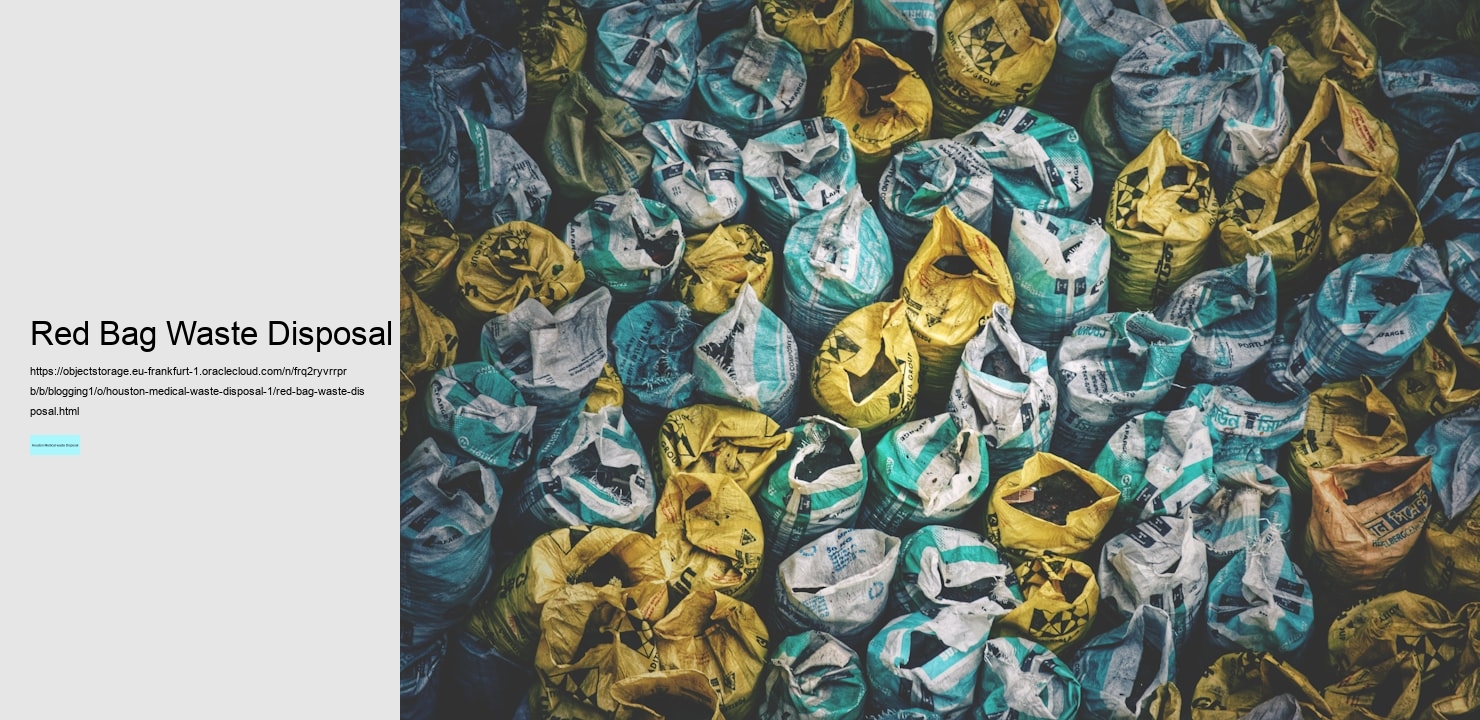
Each pickup is tracked, and the company provides waste manifests and certificates of disposal, allowing clients to maintain complete records for internal compliance and inspections. Red Bag Waste Disposal addresses non-sharp medical items contaminated by blood or other potentially infectious materials, with Steritrans supplying approved red bags and labeled containers for proper storage and pickup.

Steritrans stands apart in the Houston medical waste disposal industry by emphasizing clear communication, predictable pricing, and professional customer support. In Houston, Sharps Disposal services from Steritrans ensure that clinics, pharmacies, and other medical facilities maintain clean and secure working environments while adhering to disposal standards. Houston medical waste disposal must meet specific standards as defined in local, state, and federal guidelines. Red Bag Waste Disposal refers to the collection of non-sharp medical items contaminated by blood or other potentially infectious materials. These items are collected in puncture-resistant containers provided by Steritrans, clearly labeled and securely transported to approved processing facilities.
By combining regulatory knowledge with dependable logistics, Steritrans provides Houston medical waste disposal that safeguards healthcare staff, patients, and the environment. Every waste stream is documented for transparency, with reports available to support internal audits or external inspections. Controlled Substance Waste Disposal is performed under the strict guidelines established by the DEA. Red Bag Waste Disposal is another essential component of Steritrans' services.
Houston medical waste disposal services offered by Steritrans are designed for flexibility. The company focuses on structured service delivery, adherence to legal requirements, and responsive support to meet the needs of hospitals, outpatient facilities, surgical centers, dental practices, and laboratories across the Houston area. Non-hazardous items are collected using pre-approved packaging and processed using environmentally responsible methods. This service supports operating rooms, surgical centers, and pathology labs throughout Houston.
With a comprehensive approach that addresses a wide range of waste categories, the company ensures that medical facilities can manage their waste streams effectively and in accordance with all applicable regulations. Whether a facility requires full-service Regulated Medical Waste Disposal or occasional pickups for Controlled Substance Waste Disposal, Steritrans provides a clear, compliant path from collection to destruction. Pathological Waste Disposal covers human anatomical waste, such as tissues, organs, and body parts removed during surgery or diagnostic procedures.
Houston medical waste disposal involves the management of numerous waste streams, each with specific storage, transport, and treatment standards. The company makes certain that healthcare providers meet compliance expectations without administrative complexity or service interruptions.

Steritrans provides durable, labeled containers and timely pickup to prevent the accumulation of used sharps in treatment areas. This provides confidence to medical administrators that every stage of the disposal process has been properly managed. The company also offers staff training and waste audits to help facilities improve internal procedures and maintain compliance. Steritrans supplies red bags that meet Houston's regulatory specifications and removes them on a schedule appropriate to the volume and risk level of the facility's operations. Detailed waste manifests, proof of destruction certificates, and reporting tools are part of the service, supporting clients during audits and inspections.
Items such as trace chemotherapy containers, tubing, and PPE must be handled as hazardous or non-hazardous based on their content. This allows healthcare providers to focus on patient care while Steritrans handles the backend waste logistics. Steritrans ensures that containers, labeling, and transportation meet the required handling protocols. This flexibility allows facilities to remain clean and compliant during special situations without long-term commitments.
The company offers straightforward contracts and responsive service, ensuring that healthcare facilities can focus on patient care while trusting their waste management to a reliable partner. The company supports healthcare clients with detailed waste manifests, proof of destruction certificates, and reporting tools. Steritrans addresses these needs through structured programs that include Sharps Disposal, Red Bag Waste Disposal, Regulated Medical Waste Disposal, and several other specialized categories. Steritrans offers specialized Houston medical waste disposal services for healthcare providers seeking safety, compliance, and efficiency in their waste management processes.
Amalgam contains mercury, which must not enter the wastewater system. Chemotherapy Waste Disposal supports cancer treatment facilities and clinics that generate trace chemotherapy waste. For non-hazardous items, separate containers are provided to prevent co-mingling with general trash. Steritrans structures its Houston medical waste disposal services to meet each facility's operational requirements.
Dental clients can access Amalgam Waste Disposal services through Steritrans. Steritrans provides labeled containers and organizes secure removal of these materials for compliant treatment at authorized facilities. These documents are important during audits and inspections.
Its team of trained professionals ensures that waste is handled, transported, and disposed of in accordance with local, state, and federal regulations, protecting both public health and the environment. Each service type follows clearly defined procedures, with proper documentation and staff training to ensure consistency and accountability.

Biomedical waste or health center waste is any sort of waste consisting of infectious (or possibly transmittable) materials produced throughout the therapy of people or animals in addition to during research including biologics. It might additionally consist of waste related to the generation of biomedical waste that visually seems of medical or laboratory beginning (e. g. packaging, extra plasters, mixture sets etc ), also lab waste having biomolecules or organisms that are generally restricted from ecological launch. As detailed listed below, disposed of sharps are considered biomedical waste whether they are polluted or otherwise, as a result of the possibility of being polluted with blood and their propensity to create injury when not effectively consisted of and disposed. Biomedical waste is a type of biowaste. Biomedical waste may be solid or liquid. Examples of infectious waste include discarded blood, sharps, undesirable microbiological societies and stocks, recognizable body components (consisting of those as a result of amputation), other human or animal cells, used bandages and dressings, thrown out gloves, various other medical supplies that might have been in contact with blood and body liquids, and research laboratory waste that displays the qualities explained above. Waste sharps consist of possibly infected used (and unused discarded) needles, scalpels, lancets and other tools with the ability of passing through skin. Biomedical waste is produced from organic and clinical sources and tasks, such as the diagnosis, avoidance, or treatment of conditions. Typical generators (or producers) of biomedical waste consist of health centers, health facilities, nursing homes, emergency situation medical solutions, clinical research laboratories, offices of medical professionals, dentists, vets, home healthcare and morgues or funeral homes. In healthcare facilities (i. e. medical facilities, centers, medical professional's workplaces, veterinary health centers and professional labs), waste with these characteristics might conversely be called medical or scientific waste. Biomedical waste stands out from regular trash or general waste, and varies from various other sorts of contaminated materials, such as chemical, contaminated, global or hazardous waste. Medical centers generate waste hazardous chemicals and contaminated products. While such wastes are typically not infectious, they require proper disposal. Some wastes are thought about multihazardous, such as cells samples maintained in formalin.
.